
Pocketless Plastic (PET)
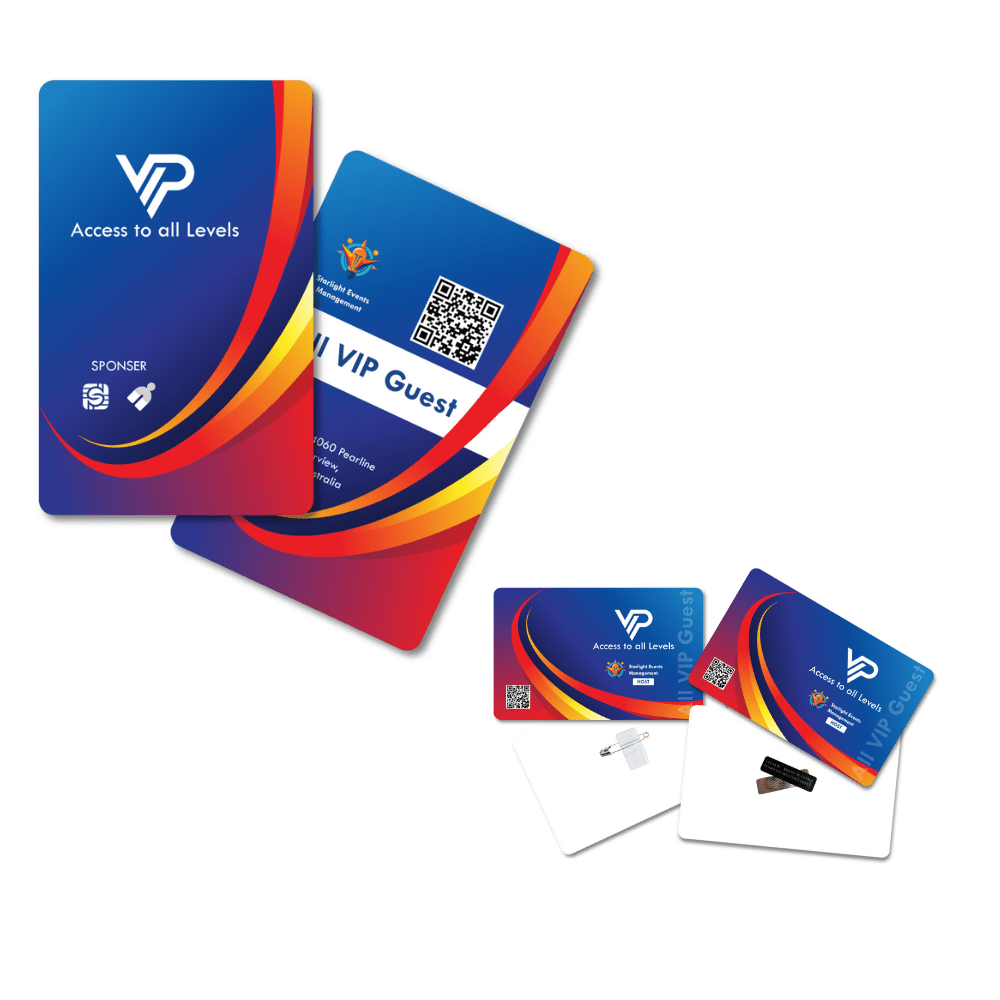
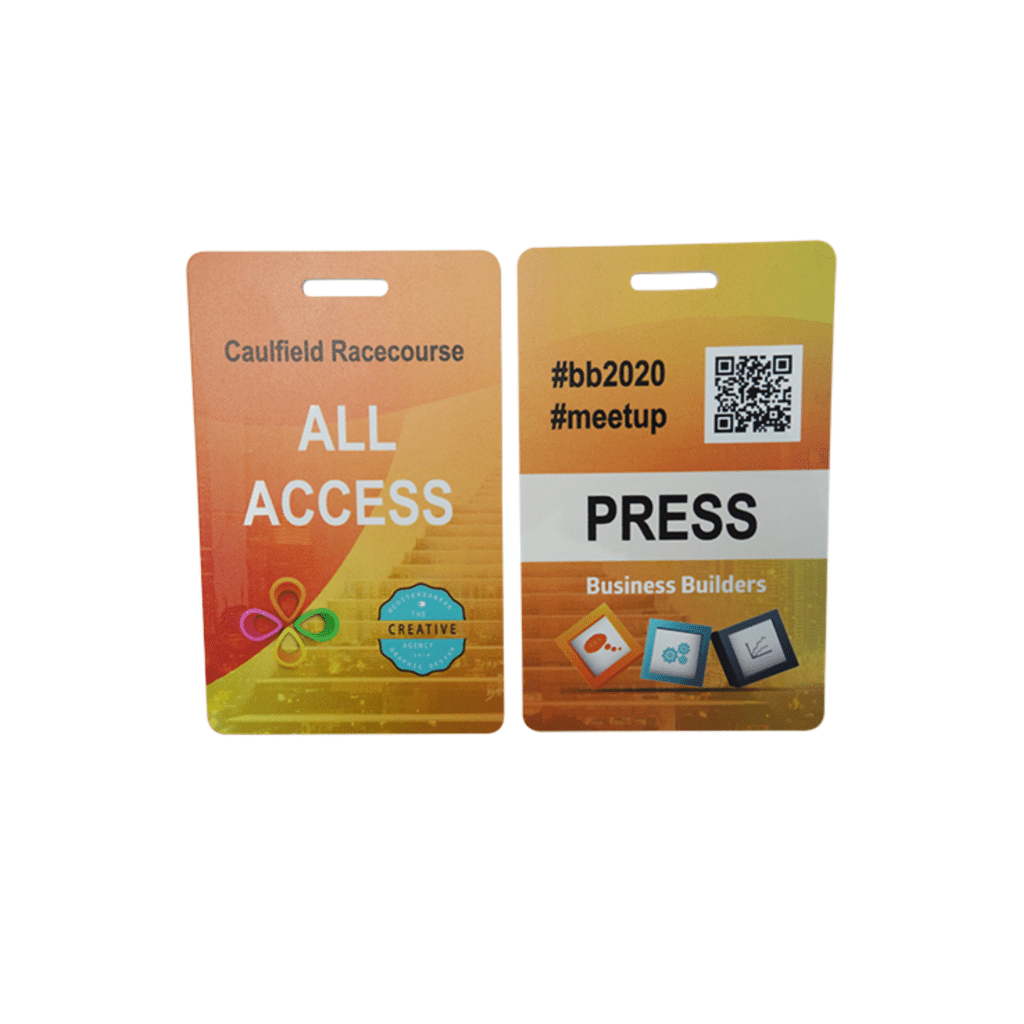
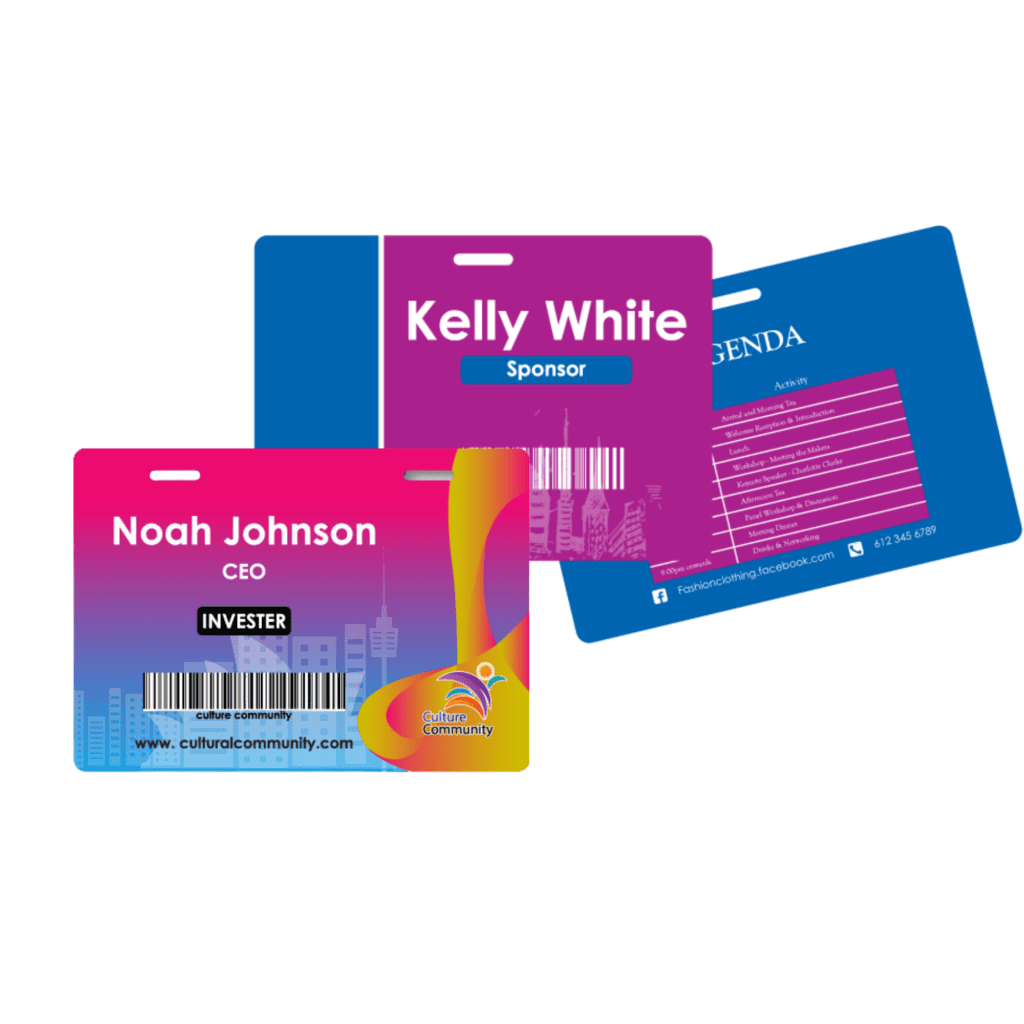
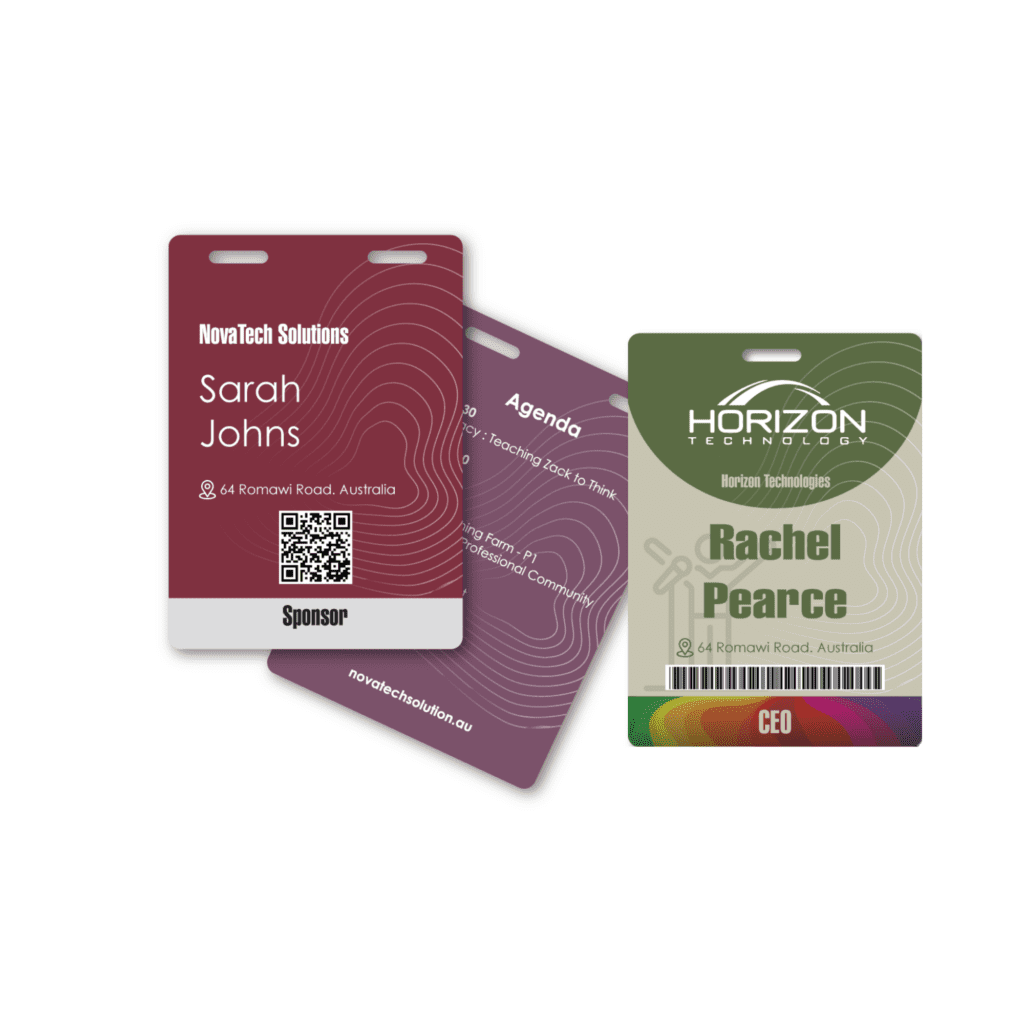




Pocketless PET Plastic Name Tags in Australia | Heavy-Duty Conference Badges
Pocketless PET plastic name tags deliver exceptional durability for demanding conference and industrial environments across Australia. These heavy-duty badges combine rigid PET material with waterproof construction, eliminating traditional plastic pocket requirements while providing superior protection for printed credentials in Melbourne, Sydney, Brisbane, Adelaide and Perth.
About Our PET Plastic Badge Range
PET material provides industrial-grade strength. Polyethylene terephthalate construction creates rigid badges resistant to bending, tearing and impact damage, maintaining structural integrity throughout extended conferences and permanent staff use.
Waterproof properties protect printed information. Non-porous plastic surface prevents moisture absorption from spills, rain or humid conditions, keeping credentials legible in outdoor events and industrial workplace environments.
Chemical resistance extends badge lifespan. PET withstands exposure to cleaning solutions, hand sanitizers and common chemicals encountered in healthcare, industrial and hospitality settings without surface degradation.
Full-color digital printing produces vibrant graphics. Direct-to-plastic printing embeds inks permanently into PET surface, creating scratch-resistant images that maintain color accuracy throughout years of handling and wear.
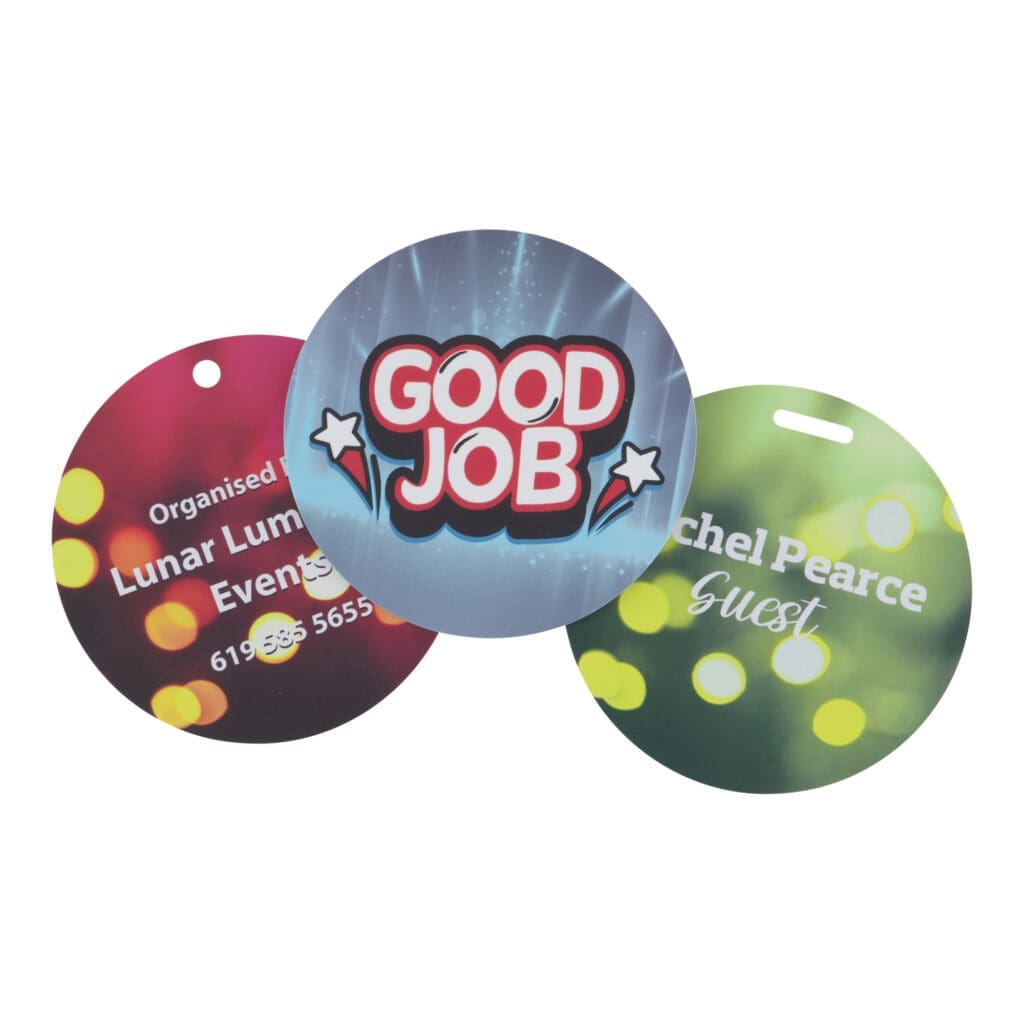
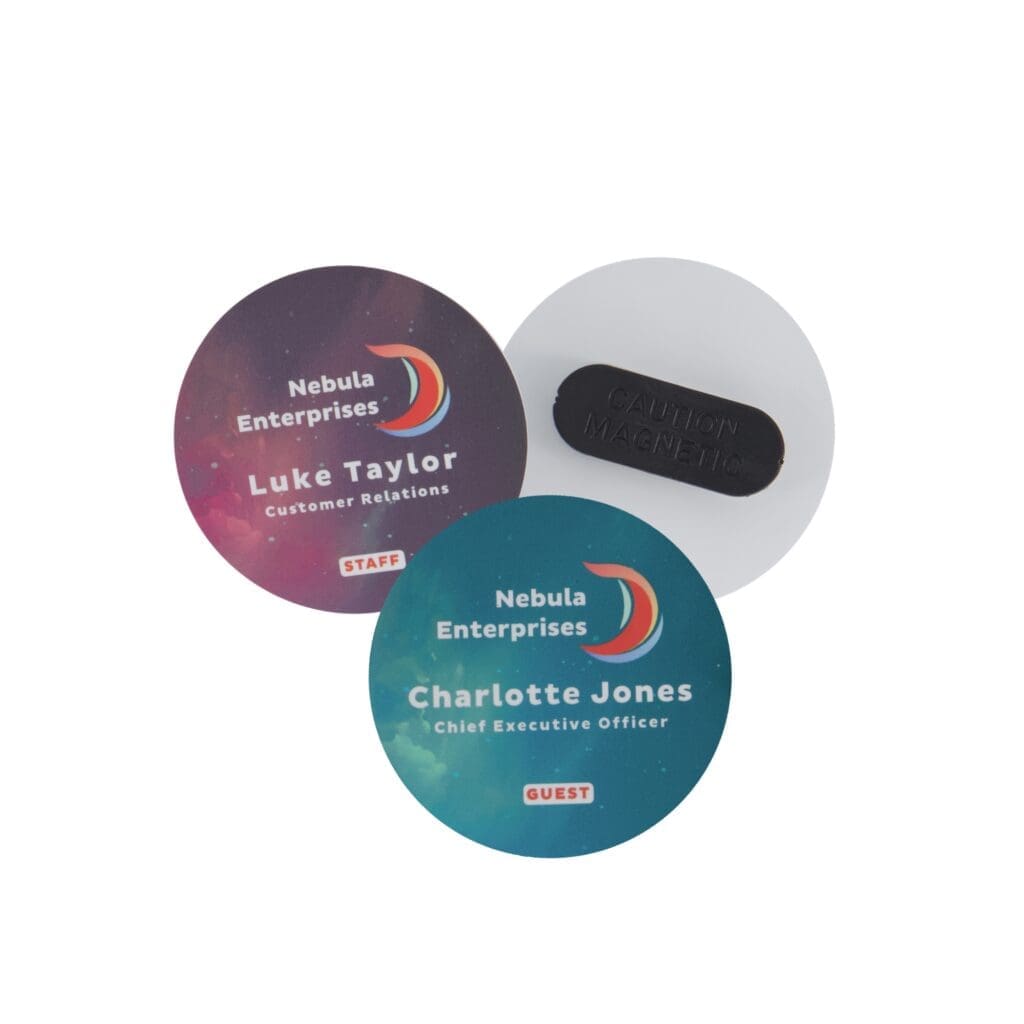
Multiple shape options suit varied applications. Standard rectangular formats, circular designs and custom die-cut shapes accommodate different branding requirements and industry-specific identification needs.
Ready-to-wear integration simplifies distribution. Integrated attachment slots or hole punches enable immediate deployment with printed lanyards without requiring separate badge holders or assembly steps.
Why Choose PET Plastic Badges
Extreme durability withstands harsh conditions. PET badges survive demanding environments that would destroy paper or laminated alternatives, including outdoor construction sites, industrial facilities and multi-day conferences.
Hygiene compliance supports sanitation protocols. Smooth plastic surface allows complete sanitization with disinfectant wipes, meeting healthcare and food service hygiene requirements without badge damage or discoloration.
Professional appearance maintains credibility. Rigid construction and high-quality printing create polished badges comparable to premium credit cards, projecting professionalism in corporate and government applications.
Long-term cost efficiency reduces replacement expenses. Although initial costs exceed disposable alternatives, multi-year lifespan and reusability for permanent staff lower per-use costs significantly across badge lifetime.
Environmental advantages over PVC alternatives. PET offers better recyclability than traditional PVC pockets while delivering comparable durability, supporting organizational sustainability goals without compromising badge quality.
Security features prevent counterfeiting. Custom shapes, embedded holograms and unique printing techniques create badges difficult to replicate, enhancing security for access control and visitor management applications.
PET Material Properties
High impact resistance prevents breakage. PET withstands dropping, stepping and rough handling without cracking or shattering, unlike acrylic alternatives that break under stress.
Temperature stability maintains performance. Material withstands temperature variations from freezing outdoor events to hot vehicle storage without warping, brittleness or dimensional changes affecting badge fit.
UV resistance prevents fading. PET maintains structural integrity and printed color accuracy under prolonged sun exposure during outdoor conferences, construction sites and extended venue display.
Flexibility balances rigidity. Slight flex prevents brittle failure while maintaining shape, creating badges that withstand accidental bending without permanent deformation or crack development.
Chemical inertness prevents reactions. PET resists degradation from alcohols, oils and common workplace chemicals, maintaining appearance and structural integrity in industrial and healthcare environments.
Food-safe certification enables hospitality use. FDA-approved PET meets food contact requirements, suitable for restaurant, catering and food service staff identification without contamination concerns.
Printing Technology
Digital UV printing embeds graphics permanently. UV-cured inks bond directly to PET surface through chemical reaction, creating prints resistant to scratching, rubbing and chemical exposure.
Full-color CMYK reproduction delivers vibrant images. High-resolution printing produces photographic quality graphics, detailed logos and crisp text at sizes down to 6-point font.
White ink undercoating enhances colored PET. Opaque white layer beneath colored inks ensures vibrant reproduction on translucent or colored PET substrates, preventing color washout or inconsistency.
Variable data printing personalizes badges. Digital workflow enables unique information on each badge from database imports, producing individualized names, employee numbers and access levels efficiently.
Edge-to-edge coverage maximizes branding. Borderless printing extends graphics to badge perimeters, eliminating white margins and creating premium appearance comparable to credit card production.
Scratch-resistant coating protects prints. Optional UV coating or laminate overlay provides additional scratch protection for badges experiencing heavy handling in industrial or construction environments.
Shape and Size Options
Standard rectangular formats suit traditional badges. Business card dimensions through A6 sizes accommodate varied information density requirements while maintaining familiar badge proportions.
Circular designs create distinctive appearance. Round badges in 50mm, 75mm and 90mm diameters offer unique visual identity for special events, VIP access or differentiated staff categories.
Custom die-cut shapes enhance branding. Specialized cutting creates logos, emblems or organization-specific outlines transforming badges into memorable branded items beyond standard rectangles.
Portrait versus landscape orientation. Vertical formats emphasize names and photos while horizontal layouts suit wide logos and extensive text information, both available across size ranges.
Thickness variations balance durability and weight. Standard 0.3mm thickness provides everyday durability while heavy-duty 0.5mm options suit industrial applications requiring maximum impact resistance.
Rounded corners prevent injury. Smooth corner radius eliminates sharp edges that could catch clothing or cause discomfort, improving wearer experience during extended conference wear.
Attachment Methods
Slot punching accommodates standard lanyards. Pre-punched rectangular slots fit typical lanyard hooks without tools, enabling immediate deployment at conference registration desks.
Hole punching suits cord attachments. Simple round holes enable threading with cords, chains or retractable reels, providing versatile attachment options for different wearing preferences.
Multiple slot configurations increase versatility. Dual slots enable portrait or landscape orientation flexibility, accommodating different lanyard styles or changing between hanging methods.
Reinforced perforation prevents tearing. Strengthened material around attachment points resists stress concentration, maintaining structural integrity despite lanyard weight and movement throughout conference duration.
Corner versus center positioning. Strategic slot placement balances badge visibility against rotation tendency, with center holes reducing spinning while corner slots maximize displayed information area.
Magnetic backing eliminates neck wear. Alternative magnetic attachment systems enable clothing mounting without lanyards, suitable for staff preferring cord-free wearing in customer-facing roles.
Application Environments
Multi-day conferences require maximum durability. PET badges withstand several days of continuous wear, meals, outdoor sessions and varied weather without deterioration affecting professional appearance.
Industrial facilities benefit from chemical resistance. Manufacturing, warehouse and production environments expose badges to oils, cleaning solutions and harsh conditions requiring PET’s chemical stability.
Healthcare settings demand hygiene compliance. Hospitals, clinics and aged care facilities require badges that withstand frequent disinfection without surface degradation or ink fading.
Outdoor events need weather protection. Construction sites, sporting events and outdoor festivals expose badges to rain, sun and temperature extremes requiring PET’s environmental resistance.
Permanent staff identification reduces replacement costs. Businesses requiring durable employee badges appreciate multi-year lifespan offsetting higher initial investment through reduced replacement frequency.
Security applications leverage counterfeiting resistance. Government facilities, airports and secure venues benefit from custom shapes and security features difficult to replicate with standard equipment.
Customization Options
Full-color logo integration strengthens branding. Corporate identities, sponsor recognition and event themes reproduce with photographic accuracy, maintaining brand consistency across all conference materials.
Variable data personalization individualizes badges. Employee names, titles, departments, access levels and barcodes print uniquely on each badge from database sources, supporting security and tracking requirements.
Sequential numbering aids attendance tracking. Consecutive number sequences enable inventory management and attendance verification, particularly valuable for ticketed events or membership conferences.
QR code integration supports digital functionality. Scannable codes link physical badges to digital profiles, session registration, lead capture and networking applications.
Holographic elements enhance security. Embedded holograms, microtext or UV-reactive features prevent counterfeiting for high-security applications, access control and VIP identification.
Dual-sided printing maximizes information capacity. Front surfaces display primary identification while reverse sides provide additional details like emergency contacts, session schedules or sponsor recognition.
Comparison to Alternative Materials
Superior durability versus laminated cardstock. PET outperforms laminated badges in impact resistance and waterproofing, eliminating edge delamination and moisture infiltration failures.
Better recyclability than PVC. PET’s recycling code simplifies end-of-life processing compared to PVC plastic pockets, supporting environmental initiatives without sacrificing badge performance.
Lighter weight than rigid acrylic. PET provides comparable rigidity at reduced weight, improving wearer comfort during all-day conferences without compromising structural integrity.
More economical than metal badges. PET delivers professional appearance and durability at lower cost than engraved metal alternatives, suitable for larger conferences with budget constraints.
Hygiene advantages over fabric badges. Smooth plastic surface enables complete sanitization unlike fabric name tags that absorb contaminants and resist cleaning attempts.
Faster production than molded plastic. Digital printing on PET enables rapid turnaround compared to injection-molded plastic badges requiring tooling, supporting last-minute conference additions.
Production and Turnaround
Digital workflow enables rapid production. File-to-print process eliminates tooling or setup delays, supporting quick turnaround for urgent conference deadlines or last-minute attendee additions.
Standard turnaround spans three to five business days. Production schedule accommodates design approval, printing, cutting and quality control for typical conference badge orders.
Rush service delivers within 24-48 hours. Expedited production supports emergency requirements, conference postponements or attendee additions after standard ordering deadlines.
Quality control ensures consistency. Inspection protocols verify print quality, dimensional accuracy and attachment integrity before delivery, maintaining professional standards across all badges.
Packaging options protect during transit. Individual sleeving, grouped bundling or alphabetical organization simplifies distribution at conference registration, reducing setup time and volunteer confusion.
Melbourne production supports Australian delivery. Local manufacturing eliminates international shipping delays, reduces carbon footprint and ensures compliance with Australian safety standards.
Why Choose EziTag
Expertise in durable badge solutions. Years of conference badge production inform material selection and manufacturing processes, delivering PET badges meeting professional quality expectations.
Melbourne manufacturing enables rapid response. Local production facilitates quick turnaround, last-minute changes and direct communication throughout production, supporting tight conference planning schedules.
Contact our PET badge specialists for heavy-duty name tags serving conference, industrial and permanent identification requirements with professional Australian manufacturing.
Frequently Asked Questions
How durable are PET plastic badges compared to laminated alternatives?
PET plastic badges significantly exceed laminated badge durability. The rigid plastic construction resists bending and tearing that damages laminated cardstock. PET badges withstand spills, humidity and rough handling without edge delamination or moisture damage affecting laminated versions. Conference organizers report PET badges surviving week-long outdoor events unscathed. For permanent staff identification, PET badges last three to five years with daily wear, compared to months for laminated alternatives requiring frequent replacement.
Can PET badges be customized with full-color corporate branding?
Yes, PET badges support full-color digital printing for complete branding customization. Direct-to-plastic UV printing reproduces corporate logos, sponsor graphics and event themes with photographic accuracy. Variable data printing enables individual names and details on each badge. Organizations can match exact Pantone colors, include QR codes and create dual-sided badges maximizing information display. The printing embeds permanently into PET surface, creating scratch-resistant graphics maintaining color vibrancy throughout badge lifespan.
Are PET plastic badges suitable for hygienic environments like healthcare facilities?
Yes, PET badges excel in hygienic environments requiring frequent sanitization. The non-porous plastic surface withstands repeated disinfectant wipes without degradation, meeting healthcare and food service sanitation protocols. Unlike fabric or laminated badges that absorb contaminants, PET allows complete cleaning between shifts. Hospital administrators report PET badges maintaining appearance and function through daily disinfection cycles. The chemical resistance ensures compatibility with alcohol-based sanitizers and common cleaning solutions without color fading or surface damage.
What production timeframes are available for PET badge orders in Australia?
Melbourne-based production delivers PET badges within three to five business days for standard orders. Digital printing eliminates tooling delays, enabling rapid turnaround from approved artwork. Rush service produces badges within 24-48 hours for urgent conference deadlines or last-minute attendee additions. Local Australian manufacturing avoids international shipping delays while supporting design changes and quality verification throughout production. Expedited options suit postponed conferences or emergency replacement requirements without compromising badge quality standards.